
The Cat Shrine (Neko-jinja) on Tashirojima Island, Miyagi Prefecture: a small sacred place dedicated to a cat accidentally killed by a falling rock long ago. Cats were traditionally seen as guardians that brought luck and good fishing hauls.
Michinoku Coastal Trail Cost & Budget
Updated August 2026
How much does it cost to hike the Michinoku Coastal Trail?
For most independent hikers, I'd currently budget around ¥9,000–¥13,000 a day. That's a mix of relatively cheap accommodation, local inns, simple meals and some camping. Camp regularly and buy most of your food from supermarkets and convenience stores, and ¥5,000–¥7,000 a day is doable. Stay indoors every night, eat out more, and take taxis when transport gets awkward, and ¥15,000–¥20,000+ a day is easy to reach.
There's no single "correct" MCT budget; the biggest variable by far is where you sleep.
For comparison, I thruhiked the whole trail over 52 days in 2022 and spent ¥390,414 in total, or ¥7,508 a day. My full breakdown is further down this page. It's still a useful real-world example, but I wouldn't plan a 2026 hike around 2022 prices.
Budget at a Glance
| Hiking style | Rough 2026 budget | What that means |
|---|---|---|
| Camp-heavy | ¥5,000–¥7,000/day | Mostly camping, inexpensive food, limited taxis and occasional nights indoors |
| Typical independent hiker | ¥9,000–¥13,000/day | A mix of campsites, business hotels and local inns, plus meals, baths, laundry and some transport |
| More comfortable | ¥15,000–¥20,000+/day | Indoor accommodation most nights, more ryokan stays and restaurant meals, and greater use of taxis or other transport |
These figures cover normal day-to-day costs on the trail. They don't include international flights, major gear purchases or guided tours. If you're planning a full thruhike, keep some money aside for if things go wrong (fingers crossed that won’t happen!). Fifty days is plenty of time for shoes to wear out, weather to disrupt your plan, or a carefully scheduled camping night to turn into a hotel night.
Accommodation
Accommodation is where MCT budgets vary the most. As a rough 2026 guide:
| Accommodation type | Rough budget | What to expect |
|---|---|---|
| Campsite | Free–¥2,500 | Huge variation in facilities and season |
| Hostel / simple guesthouse | ¥3,000–¥7,000/person | Dorm or simple room, usually few or no meals |
| Business hotel | ¥5,000–¥13,000/room | Private Western-style room, generally easy to book online |
| Minshuku | ¥5,000–¥10,000/person | Family-run inn, often with breakfast or dinner available |
| Ryokan / onsen inn | ¥7,000–¥15,000+/person | Japanese-style room, often with meals and a substantial bath or onsen |
| Higher-end hotel / ryokan | ¥15,000–¥25,000+ | Better rooms, food, onsen or resort facilities |
Treat these as planning ranges, not fixed prices. One thing that trips up international hikers is that accommodation here isn't always priced the way you'd expect. Some places charge per room, some per person. Some include breakfast and dinner, some don't. Occasionally a solo hiker ends up effectively paying for a room intended for two.
So don't automatically write off a more expensive local inn. If the price includes a big seafood dinner, breakfast and a bath, it can easily be better value than a cheaper hotel once you've fed yourself. There's a real experiential difference too. Business hotels are useful - I've stayed in plenty on the trail, and they're great when you need Wi-Fi, laundry, a reliable shower and an easy night's sleep.
But some of my favourite memories from the MCT came from small family-run inns. If your budget allows it, make room for at least a few.
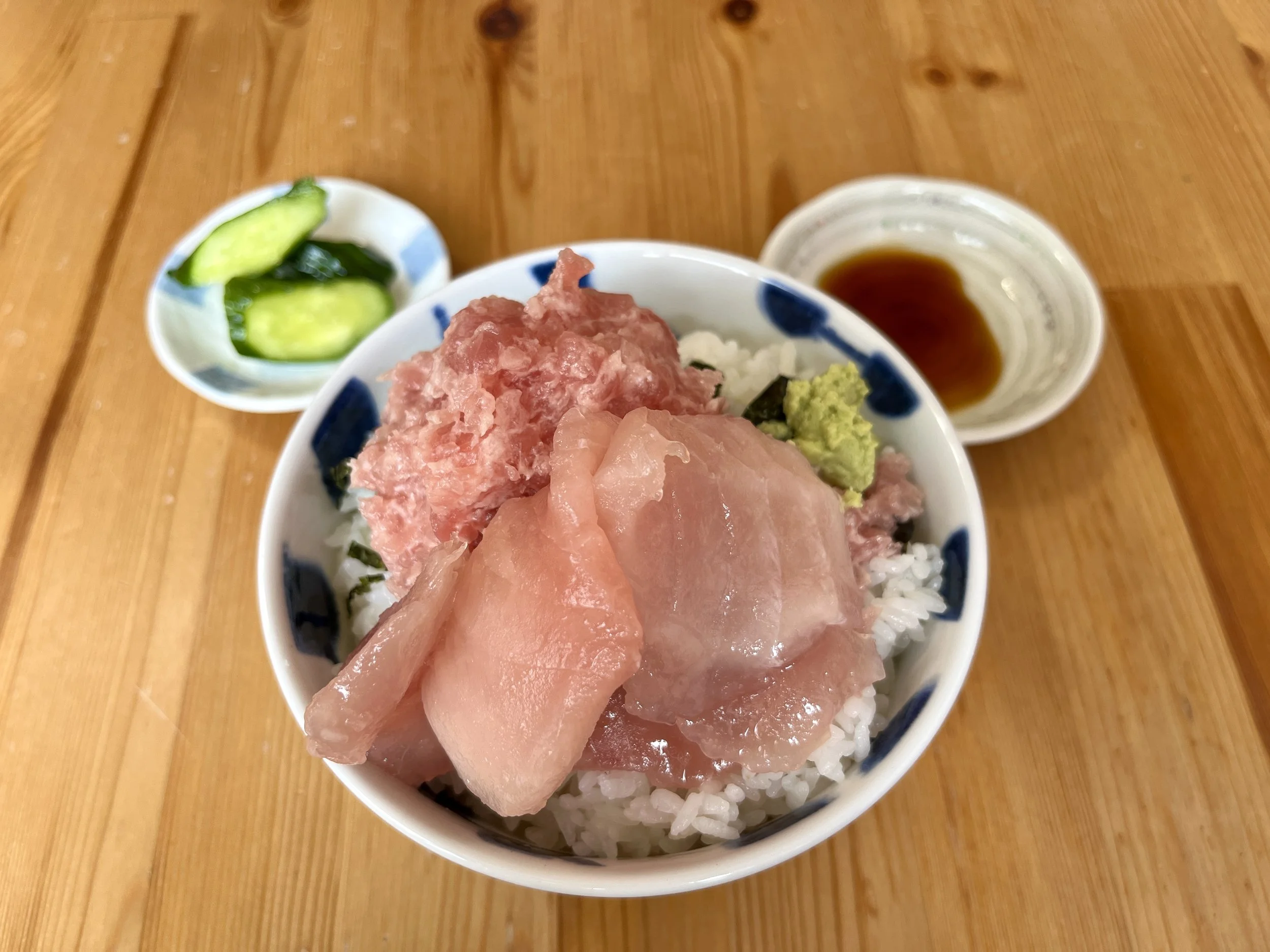
A simple lunch set can cost 800 ~ 1,500 yen
Food and Drink
I'd allow roughly ¥2,000–¥4,000 a day for food and drink.
You can keep this low with supermarket and convenience-store food. Onigiri, sandwiches, noodles and bento are easy to find in the larger towns, and a simple restaurant lunch can still be surprisingly cheap (e.g. ¥1,000–¥1,500). You can also spend a lot more if you make the most of Sanriku's seafood, which I think is definitely worth doing.
One of my favourite budget tricks is supermarkets in the late afternoon or evening. Unsold sushi, bento and prepared food gets marked down as closing time approaches. Time it right and you can pick up a very good dinner for not much money.
There's a bigger issue than money, though; sometimes food is a logistics problem, not a cost problem. Some stretches of the MCT don't have a restaurant, convenience store or even a vending machine (the Omoe Peninsula around Miyako is a good example!) Stock up before leaving town and always carry a few extra bars or snacks just in case.
Camping
Camping makes a huge difference to the cost of a long MCT hike. There are designated campsites along the route, ranging from free to a couple of thousand yen or more. Facilities vary enormously. Some have hot showers and excellent kitchens, while others are basically somewhere legitimate to put a tent.
A camping day can be very reasonable:
Campsite: ¥0–¥2,500
Breakfast: ¥300–¥700
Lunch and trail food: ¥700–¥1,200
Dinner: ¥800–¥1,500
Bath/Onsen: around ¥500–¥1,000
Some days you'll spend only a few thousand yen, full stop.
What about wild camping?
I've wild-camped along the MCT myself, but I wouldn't assume you can pitch wherever you finish walking. Rules vary, especially in protected areas, and some seemingly empty land may still be privately owned. Where possible, I'd use designated campsites, places where you have permission to camp, or MCT Trail Supporters. Staying locally also means more chances to meet the people and communities that make the trail special.
See Camping on the MCT →
Transport
Getting to the trail
Transport costs depend a lot on how you approach the trail. From Tokyo, the shinkansen is the obvious fast option. As a rough current guide:
Tokyo to Hachinohe: around ¥17,000 by shinkansen
Tokyo to Sendai: around ¥12,000 by shinkansen
Long-distance and overnight buses can be a lot cheaper. Depending on the day and route, you can sometimes travel for around ¥5,000–¥12,000. I used buses myself when it made sense. They're slower, but more comfortable than you'd expect, and an overnight bus can save you a night's accommodation too.
Transport while hiking
The MCT is unusually well-connected for such a long trail. Railways follow much of the coast, and local trains and buses let you shorten sections, skip ahead or get back to your accommodation. Using taxis will get expensive unless you’re sharing. On a remote peninsula, a poorly timed bus or a gap in accommodation can leave a taxi as the only option. Good planning here saves money and time, too!
How Much Cash Should I Carry?
In many parts of rural Japan, cash is still king and you won’t be able to use credit cards or digital payments. Japan is more cashless than it used to be, but plenty of small businesses along the MCT still aren't, including inns, campsites, restaurants, public baths, buses, small shops and even some railway services.
I’d recommend keeping at least ¥5,000–¥20,000 in cash on you (find ATMs on my Google Map), and top up whenever you pass through a larger town.
A Few Other Costs to Remember
None of these will dominate your budget, but they add up over a long hike.
Maps and navigation: If you're walking for more than one or two days, I’d definitely buy the official Hiking Map Books from the Michinoku Coastal Trail Association, rather than relying only on your phone.
SIM or eSIM: Most international hikers will need mobile data. Expect anything from a few thousand yen upwards, depending on trip length and data allowance.
Onsen and public baths: Usually cheap, and worth every yen after a hard day's walking! Some of my favourite memories from the trail are from bath time.
Laundry: Small, but a regular expense on a long hike. (Again, you will need cash for most laundry machines!)
Luggage forwarding: Useful if you're carrying things you don't want on the trail. Check that your next accommodation can receive luggage before you send anything.
Replacement gear: If you’re thruhiking, shoes, socks, charging cables and other kit may fall apart (my shoes ripped apart mid-way). Keep some contingency money rather than assuming everything you start with will make it to the end.
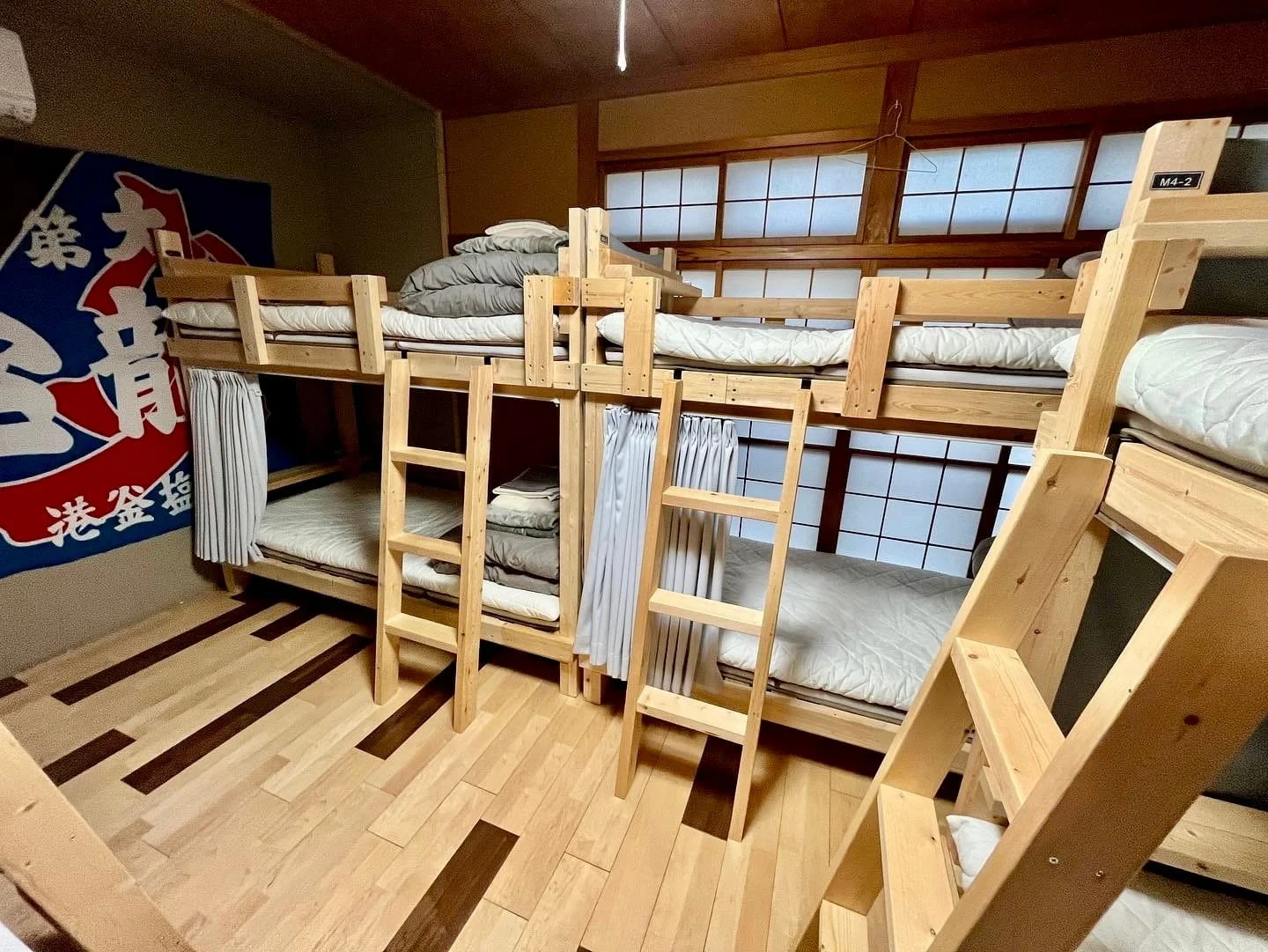
Accommodation can range from simple dorm-room style to luxury hotels
What Does a 3-Day, 7-Day or Full MCT Trip Cost?
For initial planning, I'd use something like this:
| Trip length | Camp-heavy | Typical independent | More comfortable |
|---|---|---|---|
| 3 days | ¥15,000–¥21,000 | ¥27,000–¥39,000 | ¥45,000–¥60,000+ |
| 7 days | ¥35,000–¥49,000 | ¥63,000–¥91,000 | ¥105,000–¥140,000+ |
| 14 days | ¥70,000–¥98,000 | ¥126,000–¥182,000 | ¥210,000–¥280,000+ |
| Around 50 days | ¥250,000–¥350,000 | ¥450,000–¥650,000 | ¥750,000–¥1,000,000+ |
These aren't package prices or promises about what you'll spend. A seven-day trip staying in good ryokan every night could cost more than two weeks spent mostly camping. And the full trail can take a lot longer or shorter than 50 days, depending on your pace!
What I Actually Spent on My 52-Day Thruhike
Here's the original budget from my own thruhike, walking south to north from April to June 2022.
| Category | 52-day total |
|---|---|
| Accommodation / campsites | ¥181,491 |
| Groceries | ¥86,589 |
| Cafes, restaurants & bars | ¥66,873 |
| Transport to/from trailheads etc. | ¥33,021 |
| Fun / leisure | ¥10,580 |
| Onsen / public baths | ¥4,950 |
| Laundry | ¥2,150 |
| Miscellaneous | ¥4,760 |
| TOTAL | ¥390,414 |
| AVERAGE PER DAY | ¥7,508 |
Everyone travels differently, so I wouldn't read too much into the exact number. A few things affected mine.
I was working remotely while walking: I may have been the first person to thruhike the MCT while remote working (!), which was probably not the most sensible way to make a 1,000km walk easier. It meant I needed Wi-Fi, electricity and somewhere I could occasionally take calls, so I stayed indoors quite often: 35 of my 51 nights in accommodation and 16 nights camping or staying with Trail Angels and supporters, roughly two to one.
Most nights I was travelling solo: My wife and a few friends joined me for different sections, but most of the hike was solo. Travelling with someone can make certain hotel rooms, taxis and other shared costs cheaper.
I deliberately spent money locally I didn't try to make the walk as cheap as possible. Supporting the communities along the route was part of why I wanted to hike it in the first place. I'd often stop at a small shop for coffee, food or a snack even when I wasn't desperate for anything, and I generally preferred locally run accommodation, even when a chain hotel would have been slightly cheaper. That pushed my costs up a little, but I don't regret it at all.
My 2022 Accommodation Numbers
For anyone interested in the historical comparison:
35 nights indoors out of 51
16 nights camping / outdoors / with Trail Angels
Indoor accommodation range: ¥3,000–¥7,700 per night
Average indoor accommodation cost: ¥4,970
Camping range: ¥0–¥2,100
Those are 2022 figures, not 2026 recommendations. They do show how much prices, and my own style of hiking, affected the final ¥390,414 total.
How I Would Keep Costs Down
If I were planning the trail again and wanted to save money without making the trip miserable, I'd focus on a few things.
Camp some nights, not necessarily every night: Even camping two or three nights a week makes a big difference over a long journey. I'd camp where it fits naturally, then put some of the money saved into good local accommodation elsewhere.
Use supermarkets: They're better value than convenience stores for a full resupply, especially once the evening discounts start appearing.
Look at the total price of an inn: A local inn including breakfast, dinner and a bath can be better value than a cheaper room where you then pay for everything separately. It may seem expensive initially, but work out both cheaper and better for you to get the full package.
Consider long-distance buses instead of the shinkansen: If you're not in a hurry, this is one of the easiest places to save (e.g. Willer Bus has an easy-to-use English website).
Frequently Asked Questions
How much does the Michinoku Coastal Trail cost per day?
For most independent hikers in 2026, I'd plan around ¥9,000–¥13,000 per day. A camp-heavy hike can be closer to ¥5,000–¥7,000, while staying indoors and eating out most nights can easily take you above ¥15,000 per day.
How much should I budget for a full MCT thruhike?
For roughly 50 days, I'd currently use ¥450,000–¥650,000 as a sensible starting range for a typical independent hiker. A camp-heavy hike can cost considerably less. An accommodation-heavy trip can cost considerably more.
Is the Michinoku Coastal Trail expensive?
It doesn't have to be. Camping, supermarkets and reasonably cheap public transport make the MCT possible on a fairly modest budget. The main challenge is that accommodation choices are limited in some remote areas, so you can't always choose the cheapest option and have to plan ahead.
How much cash should I carry?
I recommend keeping at least ¥5,000–¥20,000 in cash available and topping up in larger towns.
Planning a Longer MCT Trip?
I'm currently finishing Walking the Michinoku Coastal Trail: A Practical, Independent Handbook for International Hikers.
It brings together the route, accommodation, food, transport, safety and practical lessons I've built up over years of walking the trail, including my 52-day thruhike.
Continue Planning
Accommodation
Where to stay along the MCT, from campsites and guesthouses to minshuku and hotels.
MCT Accommodation Guide →Routes
Day hikes, multi-day sections and ideas for hikers who aren't walking the full 1,000+ km.
Explore MCT Routes →Getting There & Around
Shinkansen, trains, buses and the local transport you'll need along the coast.
Getting There & Around →SIMs & eSIMs
Practical mobile-data options for international hikers in rural Tohoku.
SIM & eSIM Guide →MCT Map
Accommodation, campsites, onsen, food, transport and other useful places along the route.
Explore the MCT Map →